

Cervical Pillows: Better Sleep and Neck Support
A good night's sleep starts with proper neck support, and a cervical pillow is one of the most effective ways to achieve it. Whether you're dealing with chronic neck pain, poor sleep quality, or simply want to upgrade your sleep experience, understanding how cervical pillows work can help you make an informed choice.
What Is a Cervical Pillow?
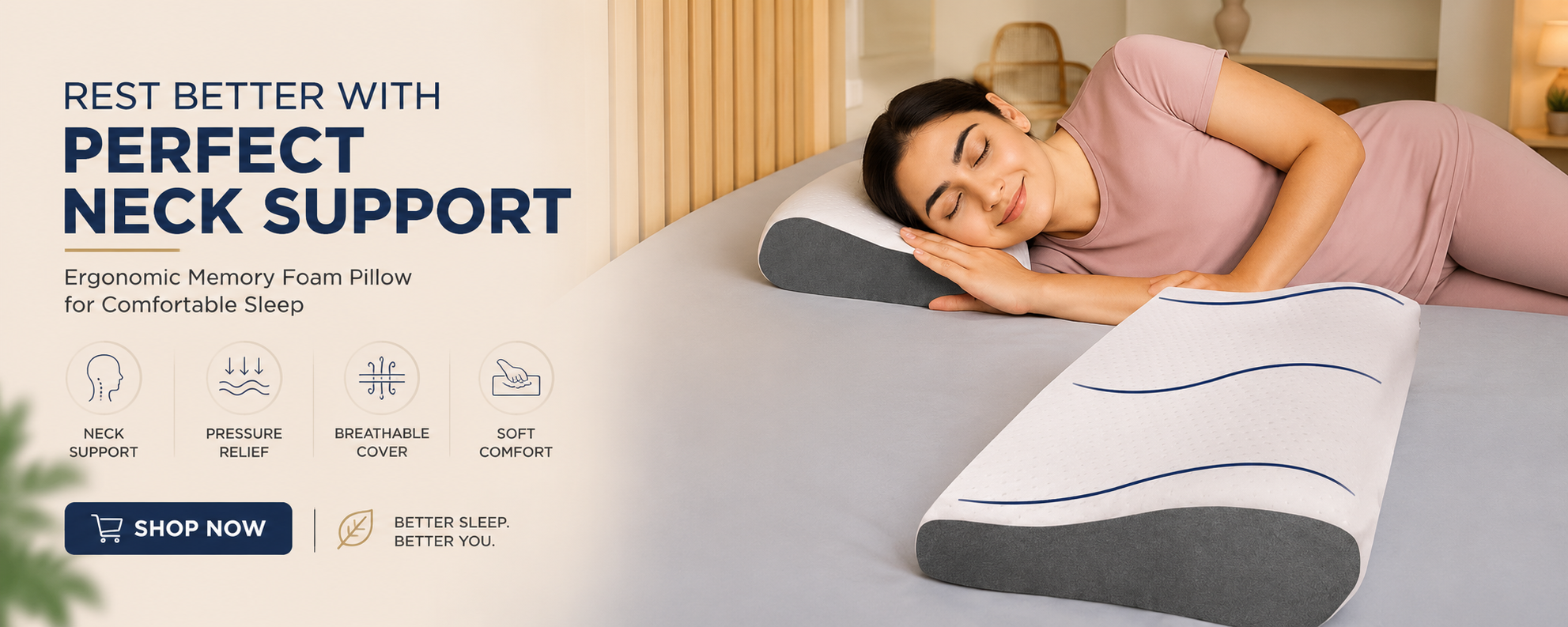
A cervical pillow is specifically designed to support the natural curve of your neck and spine. Unlike standard pillows that offer uniform support, cervical pillows feature a contoured shape with a deeper indentation for your head and raised edges that cradle your neck. This ergonomic design helps maintain proper spinal alignment throughout the night, reducing strain on your neck muscles and joints.
Why Neck Support Matters
Your neck supports the weight of your head—roughly 4.5 to 5 kg—and maintains the delicate curve of your cervical spine. When you sleep on an unsupportive pillow, your neck bends at awkward angles, creating tension in the muscles and ligaments. Over time, this can lead to stiffness, pain, and even long-term postural issues. A cervical pillow keeps your neck in a neutral position, allowing your muscles to relax and recover during sleep.
Key Benefits of Cervical Pillows
- Pain Relief: Reduces neck and shoulder pain by supporting proper alignment
- Better Sleep Quality: Minimizes tossing and turning caused by discomfort
- Improved Posture: Encourages healthy spinal alignment even while sleeping
- Reduced Tension Headaches: Proper neck support can decrease morning headaches
- Long-Term Spine Health: Prevents cumulative damage from poor sleeping positions
Memory Foam vs. Other Materials
Memory foam cervical pillows are among the most popular options because they conform to the unique shape of your neck and head. Unlike traditional pillows, memory foam responds to your body heat and weight, creating a customized support surface. This material also absorbs motion, so if you share your bed, you'll experience less disturbance from your partner's movements. Memory foam pillows are durable, hypoallergenic, and maintain their shape over time.
How to Choose the Right Cervical Pillow
When selecting a cervical pillow, consider your sleeping position. Side sleepers typically need a thicker pillow to fill the gap between their shoulder and neck, while back sleepers benefit from a medium-height pillow that supports the natural curve of the cervical spine. Stomach sleepers should use a thinner pillow to avoid excessive neck rotation. Also pay attention to firmness—your pillow should be firm enough to provide support but comfortable enough for a full night's rest.
Making the Transition
If you're switching from a traditional pillow to a cervical pillow, give yourself a few nights to adjust. Your neck muscles may feel slightly different as they adapt to proper alignment, but this adjustment period is normal and temporary. Most people notice significant improvements in comfort and pain relief within a week or two.
Invest in Your Sleep Health
Quality sleep is essential for overall health, and the right pillow plays a crucial role. A memory foam cervical orthopedic pillow combines ergonomic design with premium comfort, making it an excellent investment in your sleep and long-term wellness. Whether you're managing existing neck pain or simply prioritizing better sleep, a cervical pillow can make a meaningful difference in how you feel each morning.
A good night's sleep starts with proper neck support, and a cervical pillow is one of the most effective ways to achieve it. Whether you're dealing with chronic neck pain, poor sleep quality, or simply want to upgrade your sleep experience, understanding how cervical pillows work can help you make an informed choice.
What Is a Cervical Pillow?
A cervical pillow is specifically designed to support the natural curve of your neck and spine. Unlike standard pillows that offer uniform support, cervical pillows feature a contoured shape with a deeper indentation for your head and raised edges that cradle your neck. This ergonomic design helps maintain proper spinal alignment throughout the night, reducing strain on your neck muscles and joints. At GADDA CO, our cervical pillows combine this proven ergonomic structure with premium memory foam to deliver lasting comfort and support.
Why Neck Support Matters
Your neck supports the weight of your head—roughly 4.5 to 5 kg—and maintains the delicate curve of your cervical spine. When you sleep on an unsupportive pillow, your neck bends at awkward angles, creating tension in the muscles and ligaments. Over time, this can lead to stiffness, pain, and even long-term postural issues. A cervical pillow keeps your neck in a neutral position, allowing your muscles to relax and recover during sleep.
Key Benefits of Cervical Pillows
- Pain Relief: Reduces neck and shoulder pain by supporting proper alignment
- Better Sleep Quality: Minimizes tossing and turning caused by discomfort
- Improved Posture: Encourages healthy spinal alignment even while sleeping
- Reduced Tension Headaches: Proper neck support can decrease morning headaches
- Long-Term Spine Health: Prevents cumulative damage from poor sleeping positions
Memory Foam vs. Other Materials
Memory foam cervical pillows are among the most popular options because they conform to the unique shape of your neck and head. Unlike traditional pillows, memory foam responds to your body heat and weight, creating a customized support surface. This material also absorbs motion, so if you share your bed, you'll experience less disturbance from your partner's movements. Memory foam pillows are durable, hypoallergenic, and maintain their shape over time.
How to Choose the Right Cervical Pillow
When selecting a cervical pillow, consider your sleeping position. Side sleepers typically need a thicker pillow to fill the gap between their shoulder and neck, while back sleepers benefit from a medium-height pillow that supports the natural curve of the cervical spine. Stomach sleepers should use a thinner pillow to avoid excessive neck rotation. Also pay attention to firmness—your pillow should be firm enough to provide support but comfortable enough for a full night's rest.
Making the Transition
If you're switching from a traditional pillow to a cervical pillow, give yourself a few nights to adjust. Your neck muscles may feel slightly different as they adapt to proper alignment, but this adjustment period is normal and temporary. Most people notice significant improvements in comfort and pain relief within a week or two.
Invest in Your Sleep Health
Quality sleep is essential for overall health, and the right pillow plays a crucial role. A GADDA CO memory foam cervical orthopedic pillow combines ergonomic design with premium comfort, making it an excellent investment in your sleep and long-term wellness. Whether you're managing existing neck pain or simply prioritizing better sleep, a GADDA CO cervical pillow can make a meaningful difference in how you feel each morning.